Anti-Aging
Anti-Aging That Actually Works
These anti-aging tips focus on evidence-based essentials like daily sunscreen and retinoids, emphasizing consistency and safe, gradual use rather than hype. The overall message is that prevention (UV protection) plus repair (retinoid support) is what drives real, long-term improvement.
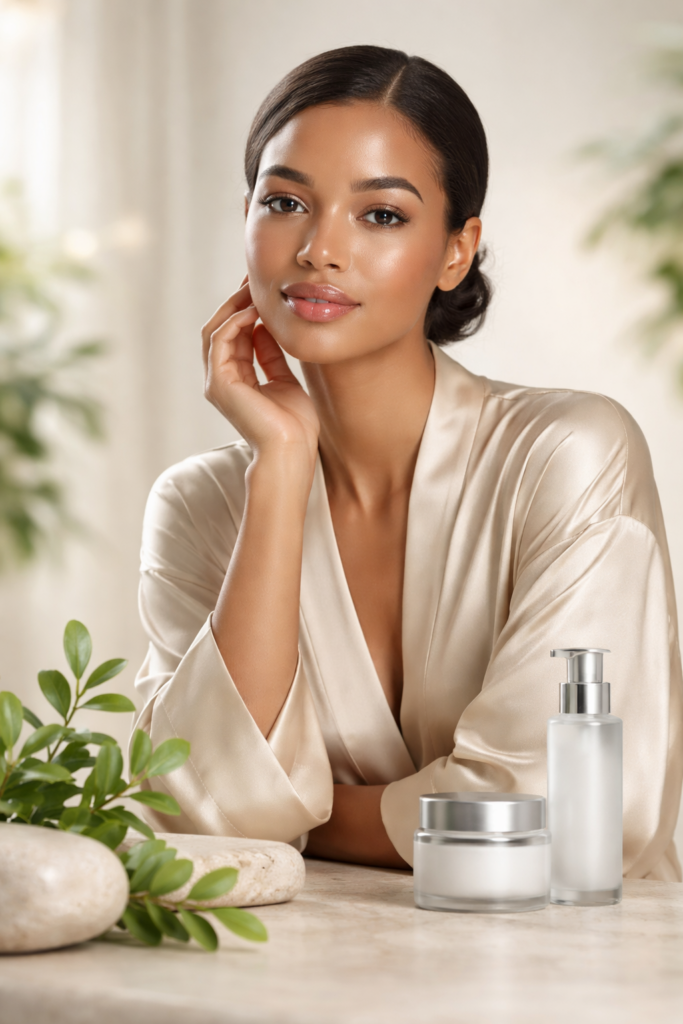
Anti-Aging That’s Actually Smart at 35+ — Less Hype, More Glow
Let’s be honest: “anti-aging” can feel like a scary word. But at ~35, it’s less about fighting time and more about helping your skin do what it’s already trying to do—repair, renew, and stay bouncy.
The most evidence-based anti-aging plan isn’t a 10-step ritual. It’s a small routine done consistently.
1) Daily sunscreen
UV exposure is a major driver of photoaging—the kind of aging that shows up as fine lines, uneven tone, and rough texture. The most reliable anti-aging step is broad-spectrum sunscreen used every day. That’s not marketing—it’s dermatology reality.
Think of sunscreen as your skin’s daily “future-proofing” layer.
2) Add retinoids at night
If you want visible, gradual improvement in texture and fine lines, retinoids (retinol is a type of retinoid) are among the most proven topical options.
They support smoother-looking texture by increasing cell turnover over time.
Results build gradually—like a slow dance, not a microwave moment.
How to do it:
Start slowly (especially if your skin gets easily irritated).
Moisturize to support your skin barrier.
Wear sunscreen during the day (retinoids can increase sun sensitivity).
If you’re pregnant (or trying), dermatologists recommend avoiding retinoids.
3) Keep your routine “luxury simple”
A luxury routine isn’t about more steps—it’s about better basics:
Gentle cleanser
Sunscreen in the morning
Retinoid at night (slow ramp)
Moisturizer to keep comfort high
4) Expect timelines that feel… realistic
Anti-aging is rarely instant. A typical pattern is:
Early weeks: possible dryness or sensitivity (especially if you start too fast)
After consistent use: gradually smoother feel and improved look of fine lines/uneven texture
Long-term: more noticeable improvements in overall skin appearance
5) When to level up
If you’re getting persistent burning, redness, or discomfort, it’s time to adjust frequency/strength—or ask a dermatologist for a tailored plan.
Quick “35+ Anti-Aging” takeaway:
You are never too old to start. Sunscreen + a properly introduced retinoid + a supportive moisturizer = the formula most likely to deliver real results.
Ready to feel polished and protected? Build a routine that’s gentle on your skin and serious about results—start with daily SPF and introduce a retinoid slowly for that “my skin looks expensive” glow.
References:
American Academy of Dermatology (AAD) — Retinoid or retinol? https://www.aad.org/public/everyday-care/skin-care-secrets/anti-aging/retinoid-retinol
American Academy of Dermatology (AAD) — Anti-aging skin care https://www.aad.org/public/everyday-care/skin-care-secrets/anti-aging
Guan LL, Lim HW, Mohammad TF — Sunscreens and Photoaging: A Review of Current Literature https://pmc.ncbi.nlm.nih.gov/articles/PMC8361399/
Treating Acne
Acne-Prone Skin—A Clear Routine That Dermatologists Recommend
This acne article outlines a practical, dermatologist-aligned routine built around key treatments such as benzoyl peroxide and topical retinoids, paired with moisturization and sunscreen. It stresses avoiding too many harsh steps at once and staying consistent long enough to see results.
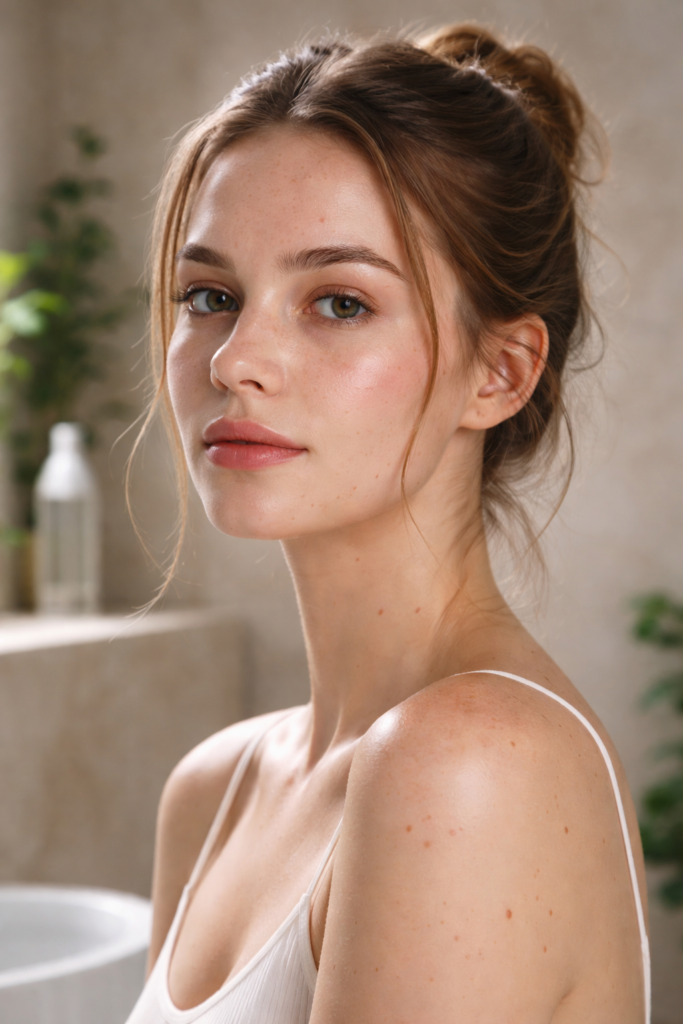
Acne-Prone Skin at 35+ — The Clear-Skin Routine That Doesn’t Punish You
Acne-prone skin can be so confusing—especially at 35+, when your skin has matured but still decides to throw occasional breakout curveballs.Here’s the truth: acne improves best when your routine targets the core acne drivers—clogged pores, inflammation, and acne-causing bacteria—and when you use active ingredients consistently enough for them to work. Let’s build a routine that feels luxurious, not like you’re fighting your face.
1) Start with guideline-backed actives (not random trial-and-error)
Dermatology guidance commonly supports these categories for acne:
A) Topical benzoyl peroxide
Helps reduce acne-causing bacteria and inflammation.
B) Topical retinoids
Helps keep pores clearer over time and can improve the look of acne-prone skin texture.
In many plans, dermatologists also use combinations because different ingredients work through different mechanisms.
2) Your “luxury routine” structure (simple, effective, repeatable)
Morning
- Gentle cleanser
- Lightweight moisturizer (yes, even if you’re acne-prone)
- Sunscreen
Night
- Gentle cleanser
- Acne-active (often a retinoid)
- Moisturizer
If you include benzoyl peroxide, many people use it in a way that fits their tolerance (for example, not stacking too many strong products at once).
3) Don’t mistake irritation for “progress”
Yes, some dryness or purging can happen when starting actives. But significant burning or heavy irritation usually means your skin needs a gentler ramp-up. A calm skin barrier is not boring—it’s part of acne control.
4) Consistency beats resets
Acne routines don’t work on the “try it for 3 days” timeline. You’re looking for weeks to months of consistent use for meaningful improvement—especially with retinoids.
5) When to see a dermatologist
If acne is leaving marks, becoming painful, or not improving with a consistent routine, it’s smart to get professional help. Dermatologists can tailor strength, combination strategy, and options (including prescription treatments) to your skin. Important note: If you’re pregnant or trying to conceive, avoid retinoids—ask your clinician for safe alternatives.
Want clear-skin confidence without stripping your barrier? Choose one primary active, add sunscreen daily, moisturize like it’s part of the plan (because it is), and give your routine time to work.
References (links)
- American Academy of Dermatology (AAD) — Updated guidelines for acne management https://www.aad.org/news/updated-guidelines-acne-management
- NICE — Acne vulgaris: management (NG198), Recommendations https://www.nice.org.uk/guidance/ng198/chapter/recommendations
- American Academy of Dermatology (AAD) — Retinoid or retinol? https://www.aad.org/public/everyday-care/skin-care-secrets/anti-aging/retinoid-retinol